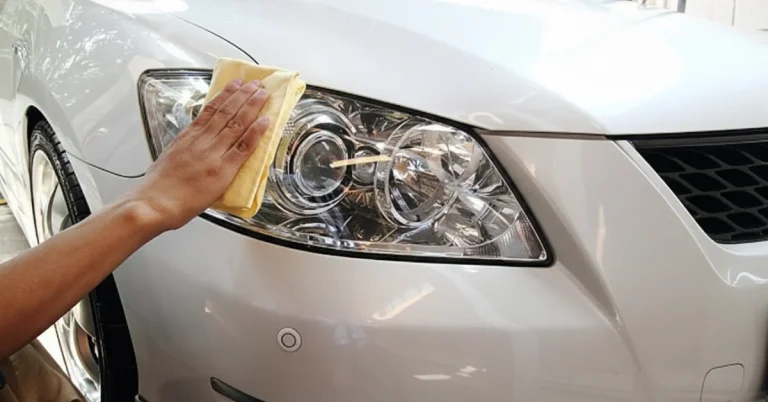
What is PPF? Complete Guide for Car Paint Protection in Abu Dhabi
Your car faces many challenges every day, from strong sunlight to flying road debris. Over time, these conditions can damage the paint and reduce your vehicle’s appearance and value.
Paint protection film (PPF) is a clear, durable polyurethane film applied to a vehicle’s painted surfaces to protect them from scratches, stone chips, road debris, UV rays, bug splatter, bird droppings, and other everyday damage.
It acts as an invisible protective layer that helps keep the original factory paint in excellent condition for many years. Many modern films also include self-healing technology that allows light scratches to disappear when exposed to heat.
Why Does Car Paint Need Protection in Abu Dhabi?
Cars in Abu Dhabi operate in one of the harshest climates in the world. High temperatures, strong UV radiation, frequent dust, and sand carried by the wind constantly affect the vehicle’s exterior.
Small stones thrown up by other vehicles can chip the paint, while bird droppings and tree sap may stain the clear coat if left untreated. Even regular washing can create fine swirl marks over time. A protective film helps reduce these common problems and keeps the paint looking newer for longer.
How Does Paint Protection Film Work?
PPF protects your car by creating a physical barrier between your vehicle’s paint and outside hazards. It is made from flexible thermoplastic polyurethane (TPU), a material known for its strength, elasticity, and resistance to impacts. The film absorbs the force from small stones and road debris before they reach the paint surface.
Most premium films also feature a self-healing top layer. When exposed to sunlight or warm water, minor scratches and swirl marks gradually disappear. The film remains transparent, allowing the original paint color and finish to remain visible without changing the vehicle’s appearance.
Main Benefits of Paint Protection Film
Installing a protective film offers several long-term benefits beyond improving appearance. It reduces everyday wear while helping maintain the vehicle’s resale value.
Some of the biggest advantages include:
- Stone chip protection: Reduces damage caused by gravel and loose road debris.
- Scratch resistance: Helps prevent light scratches from daily driving and washing.
- UV protection: Slows paint fading caused by intense sunlight.
- Chemical resistance: Protects against bird droppings, bug splatter, tree sap, and road contaminants.
- Self-healing surface: Minor marks disappear with heat on many premium films.
- Gloss retention: Keeps the original paint looking fresh and polished.
- Higher resale value: Well-protected paint often increases buyer confidence.
What Parts of the Car Can Be Protected?
Paint protection film can be installed on individual high-impact areas or across the entire vehicle. The choice depends on your driving habits, budget, and desired level of protection.
Common areas include:
- Front bumper
- Bonnet (hood)
- Front fenders
- Side mirrors
- Headlights
- Door edges
- Door handle cups
- Rocker panels
- Rear wheel arches
- Roof
- A-pillars
- Full vehicle coverage
Many owners choose partial front protection, while luxury and performance vehicle owners often prefer full-body coverage for maximum protection.
Types of Paint Protection Film
Not every film offers the same level of durability or performance. The quality depends on the material, coating technology, and manufacturer.
1. TPU Paint Protection Film
Thermoplastic polyurethane (TPU) is the highest-quality option for paint protection. It offers excellent flexibility, strong impact resistance, and advanced self-healing properties that reduce the appearance of light scratches.
TPU films also resist stains, remain clear for years, and provide reliable protection against everyday road hazards and harsh weather conditions.
2. TPH Paint Protection Film
Thermoplastic hybrid (TPH) film is a more affordable choice that combines plastic materials with polyurethane. It provides basic protection against scratches, dirt, and minor road debris.
While it offers decent durability, it does not match the flexibility, clarity, or self-healing performance of premium TPU paint protection films.
3. Matte Paint Protection Film
Matte paint protection film is designed for vehicles with matte finishes or for owners who prefer a satin appearance.
It protects the paint from scratches, stone chips, and UV rays while preserving the unique matte look. It also helps maintain the vehicle’s original finish without requiring permanent paint modifications
How Is Paint Protection Film Installed?
Professional installation is important because the film must fit every body panel with precision. A clean, dust-free environment helps achieve a smooth finish and prevents bubbles or dirt from becoming trapped under the film.
Experienced technicians also use specialized tools and techniques to ensure proper adhesion and long-lasting protection. Depending on the vehicle size and the level of coverage, the installation process usually takes one to three days.
Step 1: Vehicle Washing and Decontamination: The vehicle is thoroughly washed to remove dirt, dust, grease, and road grime. A clay bar or decontamination solution is often used to eliminate stubborn contaminants that could affect the film’s adhesion.
Step 2: Paint Inspection and Correction: Technicians carefully inspect the paint for scratches, swirl marks, or chips. If needed, paint correction is performed to create a smooth surface before the film is applied.
Step 3: Surface Preparation: The paint is cleaned with specialized surface preparation solutions to remove any remaining oils or residues. This step helps the film bond properly and improves the overall finish.
Step 4: Film Cutting and Positioning: The film is either computer-cut using vehicle-specific templates or carefully hand-trimmed for a precise fit. It is then positioned accurately on each panel before final application.
Step 5: Film Application: A slip solution is sprayed onto the surface, allowing the installer to adjust the film into the correct position. Professional squeegees are then used to remove excess liquid and air bubbles.
Step 6: Edge Wrapping and Finishing: Where possible, the edges of the film are wrapped around the panel. This creates a cleaner appearance, improves protection, and helps prevent the edges from lifting over time.
Step 7: Final Inspection and Curing: After installation, the entire vehicle is carefully inspected to ensure proper alignment and adhesion. The film is then allowed to cure so the adhesive can fully bond with the vehicle’s paint.
How Long Does Paint Protection Film Last?
The lifespan depends on film quality, installation standards, weather conditions, and maintenance habits. Premium TPU films commonly last between 7 and 10 years when professionally installed and properly maintained. Lower-grade films may have a shorter service life.
Several factors affect durability:
- Daily driving distance
- Sun exposure
- Washing methods
- Environmental pollution
- Quality of installation
- Regular car maintenance
Routine cleaning and proper care help maximize the life of the protective film.
Does Paint Protection Film Need Maintenance?
Although the film protects the paint, it still requires regular care to maintain its appearance and performance. Dirt and contaminants should be removed before they remain on the surface for extended periods.
Helpful maintenance tips include:
- Wash the vehicle regularly using pH-neutral shampoo.
- Use microfiber wash mitts and drying towels.
- Remove bird droppings quickly.
- Avoid abrasive polishing compounds.
- Do not use harsh chemicals.
- Maintain proper washing techniques.
- Inspect edges during routine cleaning.
Following these simple steps helps preserve both the film and the paint underneath.
Paint Protection Film vs Ceramic Coating
Many car owners compare these two protection options, but they serve different purposes. Ceramic coating mainly improves surface properties, while protective film offers physical impact protection.
| Feature | Paint Protection Film | Ceramic Coating |
| Stone chip protection | Excellent | Very limited |
| Scratch resistance | High | Moderate |
| Self-healing | Available on premium films | No |
| UV protection | Excellent | Excellent |
| Hydrophobic effect | Good | Excellent |
| Physical barrier | Yes | No |
| Thickness | Around 150-250 microns | Only a few microns |
Many owners combine both solutions by applying ceramic coating over the film for easier cleaning and improved water repellency.
Common Myths About Paint Protection Film
There are many myths about paint protection film that can confuse car owners. Understanding the facts helps you make a better decision when choosing paint protection.
Modern films are made with advanced materials and are designed to provide reliable, long-term protection when installed and maintained correctly.
Myth 1: Paint Protection Film Damages the Paint
Many people believe the film will damage the vehicle’s paint when removed. In reality, professionally installed and properly removed paint protection film does not harm the original factory paint.
Instead, it protects the surface from scratches, stone chips, and environmental damage, helping keep the paint in excellent condition.
Myth 2: The Film Is Easy to See
Some people think paint protection film changes the appearance of a vehicle. High-quality modern films are highly transparent and blend smoothly with the paint.
When installed by experienced professionals, the film is nearly invisible and allows the original color, gloss, or matte finish to remain unchanged.
Myth 3: Paint Protection Film Does Not Need Cleaning
Although the film protects the paint, it still collects dust, road grime, bug splatter, bird droppings, and other contaminants.
Regular washing with pH-neutral car shampoo helps maintain its clarity, appearance, and protective performance. Proper maintenance also increases the lifespan of the film and keeps the vehicle looking clean.
Myth 4: All Paint Protection Films Are the Same
Not every paint protection film offers the same quality or performance. Premium TPU films usually provide better impact resistance, self-healing technology, stain resistance, optical clarity, and durability than lower-grade alternatives.
Choosing a trusted brand and professional installation often delivers better long-term protection and overall value.
Who Should Consider Paint Protection Film?
Protective film is useful for almost every vehicle, but some owners benefit even more depending on how they use their cars.
It is especially recommended for:
- Daily commuters
- Luxury vehicle owners
- Sports car owners
- New car buyers
- SUV owners
- Business vehicles
- Drivers who travel on highways frequently
- Owners planning long-term vehicle ownership
The earlier the film is installed, the better it protects the original factory finish.
How to Choose the Right Installer?
The quality of installation is just as important as the quality of the film itself. Even premium material may not perform well if installed incorrectly.
An experienced installer uses proper preparation methods, clean facilities, accurate cutting techniques, and careful edge finishing to achieve long-lasting results.
Before choosing a service provider, look for experienced technicians, quality film brands, warranty support, clean installation facilities, positive customer reviews, and examples of previous work.
A professional installation delivers better appearance, stronger adhesion, and improved durability over time.
Conclusion
Keeping your vehicle’s paint in excellent condition is much easier when it has the right protection. Paint protection film (PPF) provides a strong, nearly invisible shield against stone chips, scratches, UV rays, road debris, and other everyday hazards.
With premium materials, professional installation, and proper maintenance, it helps preserve your car’s original finish for many years while supporting better long-term resale value.
If you want reliable car paint protection service in Abu Dhabi, Exotic Car Care offers professional installation using high-quality films and skilled technicians. Whether you need protection for the front of your vehicle or full-body coverage, their team can help keep your car looking its best in Abu Dhabi’s demanding driving conditions.