Can Wax Get Rid of Scratches on a Car?
A scratched car can make even a well-maintained vehicle look old and neglected. Many car owners wonder if applying wax is enough to remove scratches and restore a smooth finish. The simple answer is no.
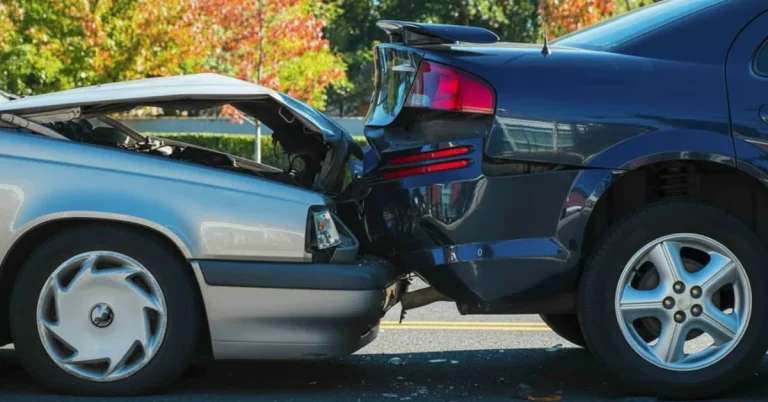
Regular car wax cannot permanently remove scratches, especially scratches on car bumper because it is made to protect the paint, not repair damaged surfaces. Wax can temporarily hide very fine surface marks by filling tiny imperfections in the clear coat. However, once the wax wears off after a few washes, the scratches become visible again.
To remove light scratches permanently, you need a polishing compound or scratch remover. Deeper scratches that reach the paint or primer require touch-up paint or professional refinishing. Knowing the depth of the scratch is the first step in choosing the correct repair method.
What Does Car Wax Actually Do?
Car wax is designed to protect your vehicle’s paint rather than repair it. It creates a thin protective layer over the clear coat that helps shield the surface from UV rays, dust, water, bird droppings, and other contaminants.
This protective coating also improves water beading and gives the paint a glossy appearance. While wax can make the finish look smoother by filling extremely fine imperfections, it does not remove damaged paint or level the surface. Its main purpose is preservation, not paint correction.
Why Car Wax Cannot Remove Scratches?
Scratches occur when the clear coat or paint surface is physically damaged. Removing a scratch means leveling the surrounding clear coat until the damaged area blends with the rest of the surface.
Standard car wax contains no abrasive particles that can perform this correction. Instead, it simply sits on top of the paint. It may fill tiny hairline scratches for a short time, making them less noticeable, but the damage remains underneath. Once the wax fades, the scratches become visible again.
Types of Car Scratches
Not every scratch is the same. Understanding the type of damage helps you choose the right repair method and prevents unnecessary work.
Clear Coat Scratches
These are the lightest scratches and affect only the transparent clear coat. They usually happen from improper washing, dirty towels, or automatic car washes. Most clear coat scratches can be corrected using polishing compounds and paint correction techniques.
Paint Layer Scratches
These scratches go beyond the clear coat and reach the colored paint layer. They are more visible and cannot be removed by polishing alone. Touch-up paint is often required to restore the damaged area.
Primer Scratches
When a scratch reaches the primer, you may notice a gray or dull-colored surface beneath the paint. These scratches expose the protective layers and should be repaired quickly before moisture causes further damage.
Deep Metal Scratches
The deepest scratches expose the metal body underneath the paint. These require immediate professional repair because exposed metal can begin to rust, especially if moisture enters the damaged area.
How to Check the Depth of a Scratch?
Before attempting any repair, determine how deep the scratch is. A simple fingernail test works well for most situations. Gently run your fingernail across the scratch without pressing hard.
If your nail does not catch, the scratch is usually limited to the clear coat and can often be polished away. If your nail catches, the damage has likely reached the paint layer or primer.
If you see gray, black, or bare metal, the scratch is deep enough to require professional attention.
Can Wax Hide Small Scratches?
Yes, but only temporarily. Wax fills microscopic grooves in the paint, making very fine swirl marks and surface scratches less visible. This creates the appearance of smoother paint and improved gloss.
However, the filling effect disappears after exposure to rain, washing, sunlight, and regular driving conditions. Because wax gradually wears away, the scratches return. Wax should always be viewed as a protective finishing product rather than a permanent scratch repair solution.
How to Permanently Remove Light Scratches?
If the scratch is shallow and limited to the clear coat, you can often remove it using proper paint correction methods. The process requires patience and the right products rather than excessive force.
Step 1: Wash and Dry the Area
Clean the damaged section thoroughly using automotive shampoo and a microfiber wash mitt. Dirt trapped during polishing can create additional scratches. Dry the area completely with a clean microfiber towel before starting the repair.
Step 2: Apply a Scratch Remover or Polishing Compound
Use a dedicated scratch remover or polishing compound designed for automotive paint. Apply a small amount to a microfiber applicator or foam pad. Products such as paint correction compounds contain fine abrasives that safely level the clear coat around the scratch.
Step 3: Buff the Surface
Work the compound over the scratch using overlapping circular or straight-line motions with moderate pressure. Continue polishing for about one minute while checking the progress regularly. Avoid excessive pressure, which can remove too much clear coat.
Step 4: Wipe Away the Residue
Use a clean microfiber cloth to remove any remaining polishing residue. Inspect the repair under good lighting. If the scratch is still visible but lighter, another polishing cycle may improve the result.
Step 5: Apply Car Wax
Once the scratch has been corrected, apply a quality car wax or paint sealant. This restores protection to the freshly polished clear coat and helps maintain the glossy finish. Wax should always be the final protective step after paint correction.
Scratch Remover vs Car Wax
Many people confuse scratch removers with wax because both are applied by hand. However, they perform completely different functions.
| Feature | Scratch Remover | Car Wax |
| Main Purpose | Removes light scratches | Protects paint |
| Contains Abrasives | Yes | No |
| Permanently Removes Scratches | Yes, for clear coat scratches | No |
| Adds Paint Protection | Limited | Yes |
| Improves Gloss | Yes | Yes |
| Best Used | Before waxing | After polishing |
Common Causes of Car Scratches
Many scratches happen during everyday driving, cleaning, and regular vehicle use. Understanding the common causes helps you avoid paint damage and maintain your car’s exterior finish.
- Improper Hand Washing Techniques: Using rough methods or incorrect tools can create swirl marks and fine scratches on the clear coat.
- Dirty Wash Mitts and Towels: Trapped dust and sand particles in cleaning materials can rub against paint and leave visible scratches.
- Automatic Car Wash Brushes: Old rotating brushes can carry debris that causes scratches and damages the vehicle’s smooth paint surface.
- Tree Branches and Bushes: Low branches and thick bushes can scrape against the car body and damage the outer paint layer.
- Keys, Bags, or Sharp Objects: Contact with sharp items near the vehicle can leave deep marks on doors and panels.
- Road Debris and Loose Gravel: Small stones from roads can hit the paint surface and create chips or scratch marks.
- Sand Particles During Windy Weather: Fine sand carried by strong winds can act like abrasive material against exposed vehicle paint.
- Poor Drying Methods: Using rough fabrics or incorrect drying techniques can create friction marks and surface scratches.
Can You Polish Every Scratch?
No. Polishing only works when enough clear coat remains above the scratch. If polishing removes too much clear coat, it may weaken the paint protection. Deep scratches that reach the color coat, primer, or metal cannot be safely polished away.
Attempting to remove these scratches by excessive polishing may cause more damage than the original scratch. In such cases, professional refinishing is the safest and most effective solution.
How to Prevent Future Car Scratches?
Preventing scratches is much easier than repairing them. Always wash your vehicle using the two-bucket washing method and high-quality microfiber towels. Dry the paint with clean microfiber drying towels instead of rough cloths.
Avoid automatic brush car washes that can leave swirl marks on the clear coat. Applying ceramic coating or high-quality wax regularly also creates a protective barrier that reduces minor surface damage. Parking away from trees and crowded areas further lowers the risk of accidental scratches.
When Should You Visit a Professional Detailer?
Professional detailing is recommended when scratches cover a large area, the damage reaches the paint or primer, or machine polishing is required.
Experienced technicians measure clear coat thickness before polishing and use professional-grade compounds, polishers, and paint correction techniques. This produces better results while protecting the remaining paint.
Professional repair is especially important for luxury vehicles where maintaining the original finish helps preserve resale value.
Conclusion
Car wax is an excellent product for protecting paint and improving shine, but it cannot permanently remove scratches. It only hides very fine surface marks until the protective layer wears away.
If the scratch is limited to the clear coat, using a polishing compound or dedicated scratch remover is the correct solution before applying wax. Deeper scratches that expose the paint, primer, or metal require touch-up paint or professional refinishing.
Identifying the scratch depth first helps you choose the safest and most effective repair method while protecting your vehicle’s finish for years to come.
Restore Your Car’s Paint with Exotic Car Care
If your vehicle has scratches, swirl marks, paint fading, or other cosmetic damage, Exotic Car Care provides professional paint correction, scratch removal, polishing, ceramic coating, and detailing services.
Our experienced technicians use advanced equipment and premium products to safely restore your vehicle’s finish without unnecessary paint removal. Contact Exotic Car Care today to give your car a smooth, glossy, showroom-quality appearance.